
Quick Summary
Used ATMs can reduce initial equipment expenses while offering practical functionality for suitable business locations. Buyers should examine machine condition, service history, hardware features, compatibility, processing requirements, and available technical assistance before making a purchase. A lower asking price does not automatically represent better value, especially when repairs, outdated components, installation requirements, or limited support create additional expenses.
Buying a used ATM can be a smart way to add an ATM to your business, purchase your first machine, or expand an existing route without paying the full cost of brand-new equipment. The key is knowing exactly what you are buying. A machine that looks like a bargain can quickly become expensive if it needs major repairs, cannot be programmed for current processing, or uses outdated components that are difficult to replace.
There is also an important difference between an ATM that is simply used and one that has been professionally refurbished and tested. Buyers should evaluate the machine itself, what is included in the price, and who will provide help after the sale. The following five tips will help you compare used ATM machines for sale and avoid paying less upfront only to spend more getting the machine operational.
1. Know the Difference Between Used and Refurbished
A used ATM is not automatically a refurbished ATM. A machine sold by a private seller, auction, or business liquidation may be offered exactly as it was removed from its previous location, with no inspection, repairs, transaction testing, or warranty. The buyer may not discover a dispenser, card reader, printer, keypad, or communication problem until after the machine arrives.
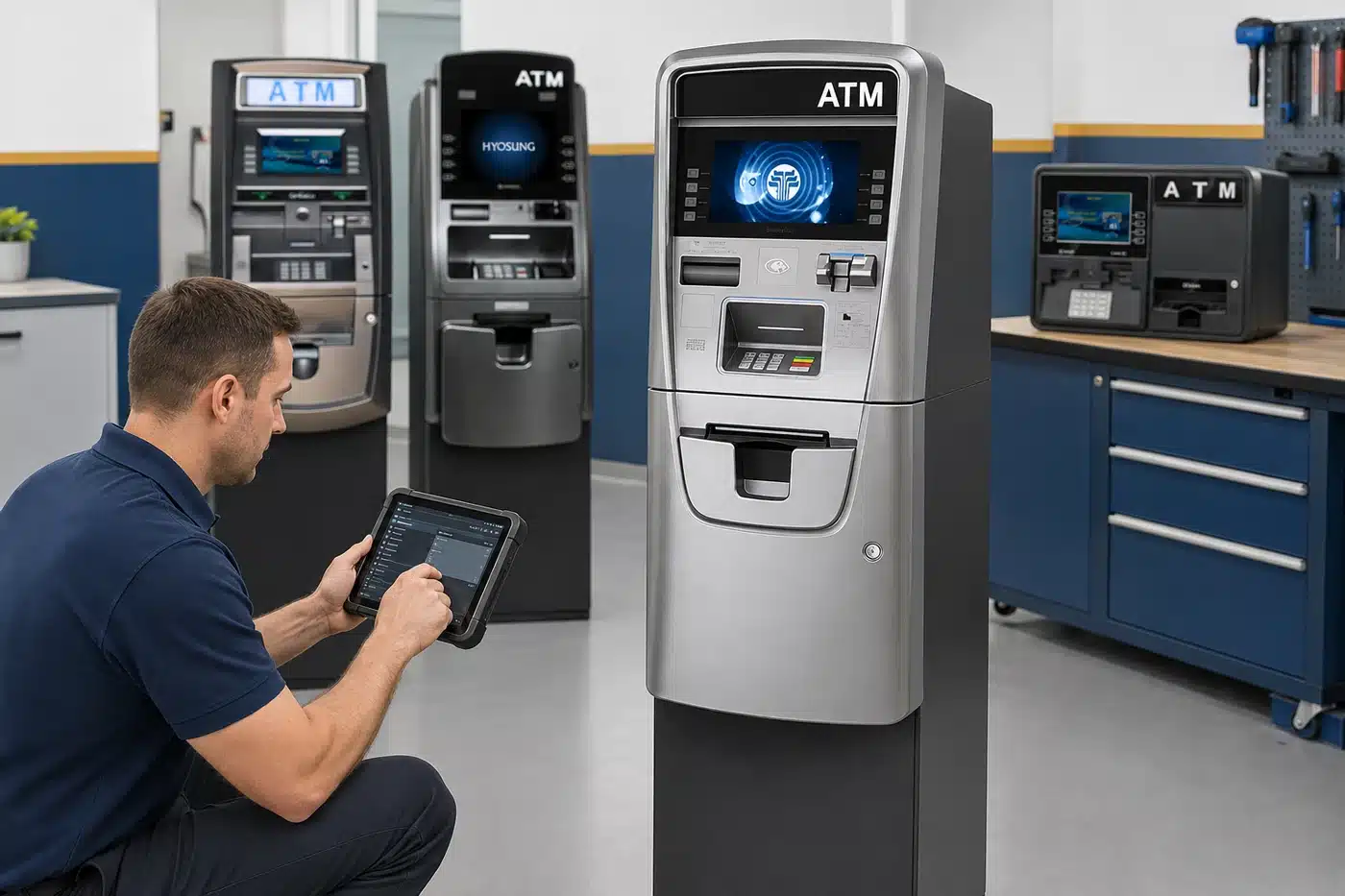
A professionally refurbished ATM should be inspected, cleaned, tested, and repaired as needed before it is offered for sale. Ask the seller what refurbishment work was performed, whether the machine completed live or simulated transactions, and whether any warranty or technical support is included. A higher-quality refurbished machine may cost more than an untested used unit, but it can significantly reduce the risk of immediate repair expenses and downtime.
2. Confirm Compliance, Processing Compatibility, and Parts Availability
Before purchasing an older ATM, confirm that it can meet current transaction and security requirements. At a minimum, the machine should have an EMV card reader, an ADA-compliant customer interface, and a compliant encrypting PIN pad. Buyers should also confirm that the ATM’s operating software and communication options can still be supported.
Processing compatibility is equally important. An ATM cannot simply be plugged in and used with any processor without proper programming, encryption keys, and setup. Ask whether the machine can be programmed for your intended processor and whether it supports the connection available at the location, such as Ethernet or wireless service.
Parts availability should also affect the decision. Established models from Hyosung, Genmega, and Triton are generally easier to maintain when replacement parts and knowledgeable technicians remain available. Before buying an unfamiliar or discontinued model, check whether card readers, keypads, printers, dispensers, control boards, and other critical components can still be sourced through an experienced ATM repair and parts provider.
3. Ask About Service and Repair History
A machine’s service history can reveal important information that the asking price cannot show. Buyers should ask how frequently the ATM received maintenance, which components have been repaired or replaced, and whether recurring problems have affected its operation. A machine with documented maintenance can offer greater confidence than equipment with an unclear history and no reliable record of previous service.
Repair accessibility also deserves attention because equipment problems can interrupt transactions and reduce potential surcharge revenue. Buyers should understand who can troubleshoot the machine, how technical issues are handled, and where replacement parts can be sourced. Access to experienced technical assistance can make used equipment easier to operate because problems can receive attention before they become prolonged operational interruptions.
4. Calculate the Full Purchase Cost
The purchase price represents only one part of the financial commitment associated with acquiring used ATM equipment. Buyers should also consider installation, programming, processing setup, connectivity, transportation, potential repairs, signage, and initial cash requirements. Adding these expenses together creates a realistic estimate of the actual capital required to put the machine into active service.
A used ATM machine for sale may appear inexpensive because the listed price excludes several costs associated with getting the equipment operational. Buyers should ask what is included with the machine and identify expenses that will remain their responsibility after purchase. This approach makes it easier to compare different machines based on total ownership costs rather than simply comparing advertised prices.
5.Consider the Location Before Purchasing
Even a well-maintained used ATM cannot generate meaningful transaction activity without an appropriate location. Buyers should identify the intended business environment before selecting equipment and evaluate customer traffic, operating hours, cash demand, nearby ATMs, and expected transaction patterns. A suitable machine should match the requirements of the location rather than being purchased first and placed somewhere afterward.
Bars, nightclubs, convenience stores, hotels, gas stations, grocery stores, entertainment venues, and other businesses can have different cash usage patterns. Buyers should understand how customers behave within the specific establishment before estimating potential surcharge revenue. A busy location with consistent cash demand can create stronger opportunities than simply choosing a location based on the size or popularity of the business.
What to Expect When You Buy a Used ATM From ATM Money Machine
ATM Money Machine has sold and supported ATM equipment since 1997. Every used ATM we sell is professionally refurbished and tested before the sale, so buyers are not purchasing an unknown machine directly from a closing business or private seller. Because our inventory changes as machines become available, the specific brands and models we have in stock may vary.
We can provide the machine, program it before shipping, set up ATM processing and remote monitoring, and arrange professional installation through our nationwide technician network. We also provide replacement parts, ATM repairs, and technical support, giving customers one experienced company to call throughout the life of the machine.
If you are purchasing your first ATM as part of a new route, our guide explaining how to start an ATM business covers the additional cash, location, processing, and operating requirements you should plan for.
Make Your Used ATM Purchase Count
With nearly three decades of hands-on ATM experience, ATM Money Machine handles sales, processing, programming, installation, maintenance, repairs, parts, and technical assistance. Contact us to discuss used equipment, available features, processing requirements, and practical considerations for selecting an ATM that fits your intended location and operating plans.